Material Stories: Reading Support, Ground, and Paint
A practical guide to reading materials in historical and contemporary work. How supports, grounds, and paint behave and how to study them in small experiments.
Understanding the material stack
Most painted objects are built in layers: support, ground, underdrawing, and paint. Each layer affects appearance and handling. Learning to read and test these layers in small controlled studies improves material decisions in your practice.
Common supports and what to notice
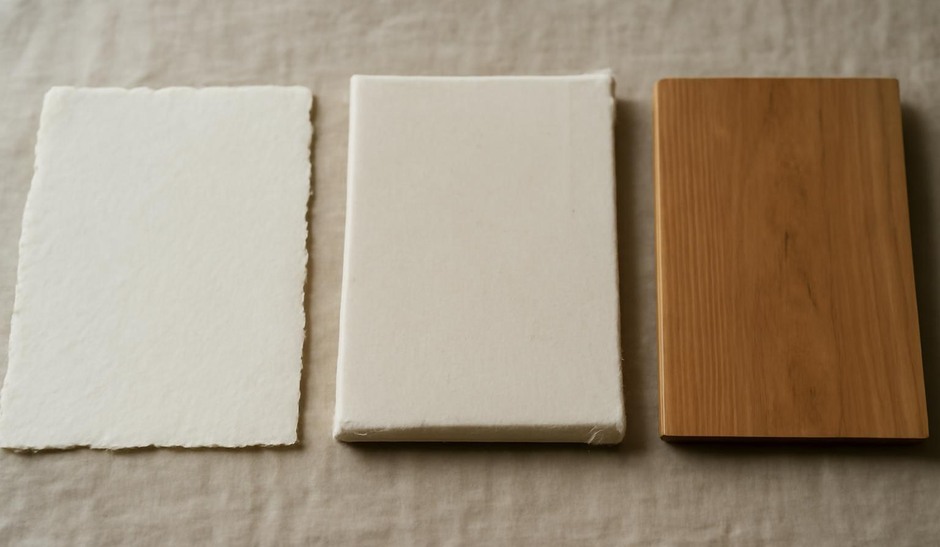
- Paper – Varying weight, sizing, and tooth. Backlighting can reveal watermarks and thin areas.
- Canvas – Weave, tension, and priming influence texture and absorbency.
- Panel – Smoothness and rigidity change brush behaviour and layer stability.
Grounds and priming
Grounds range from absorbent gesso to lean oil grounds. They alter drying, colour depth, and adhesion. Make small ground tests to see how paint sits over different preparations.
Paint systems
- Egg tempera – Fast drying, fine linear strokes, matte finish.
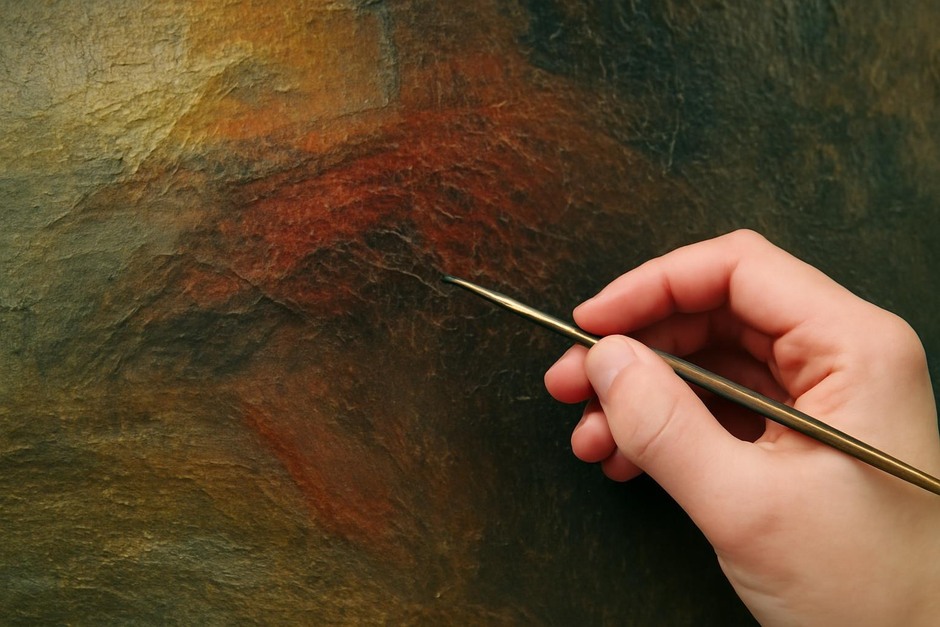
- Oil – Variable translucency, longer working time, smoother blends.
- Gouache – Opaque water based, matte and rewettable to some degree.
Practical studio experiments
- Prepare three 4 by 6 inch boards: one primed with absorbent gesso, one with standard acrylic gesso, and one left raw or sized paper glued to board.
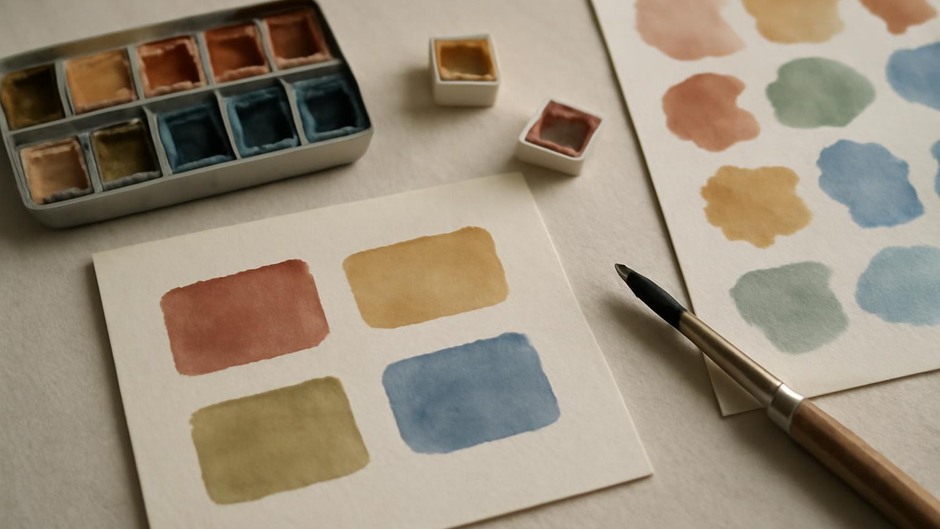
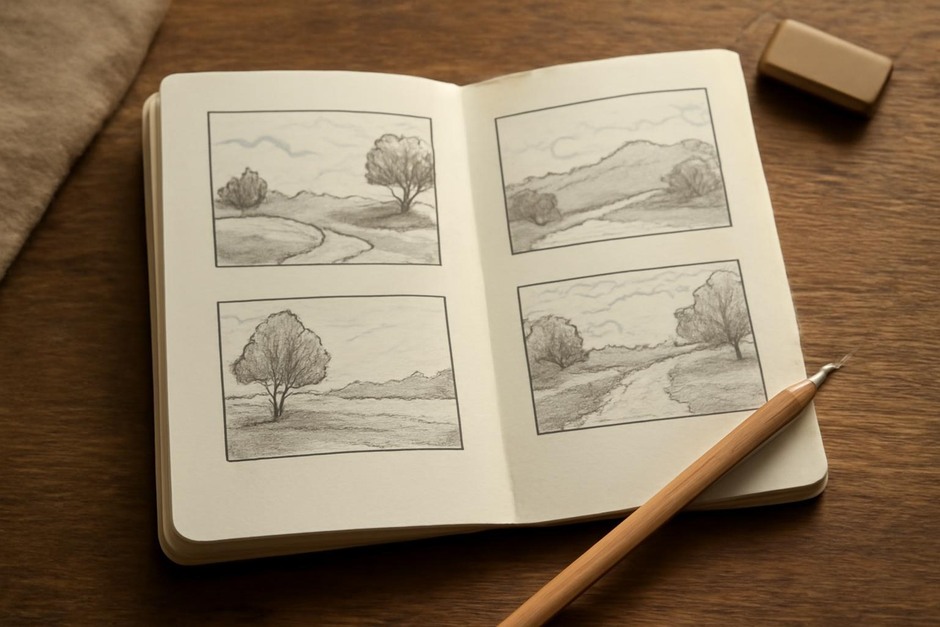
- Apply the same practice motif in each using the same paint mixtures and brush. Note differences in stroke, blending, and drying.
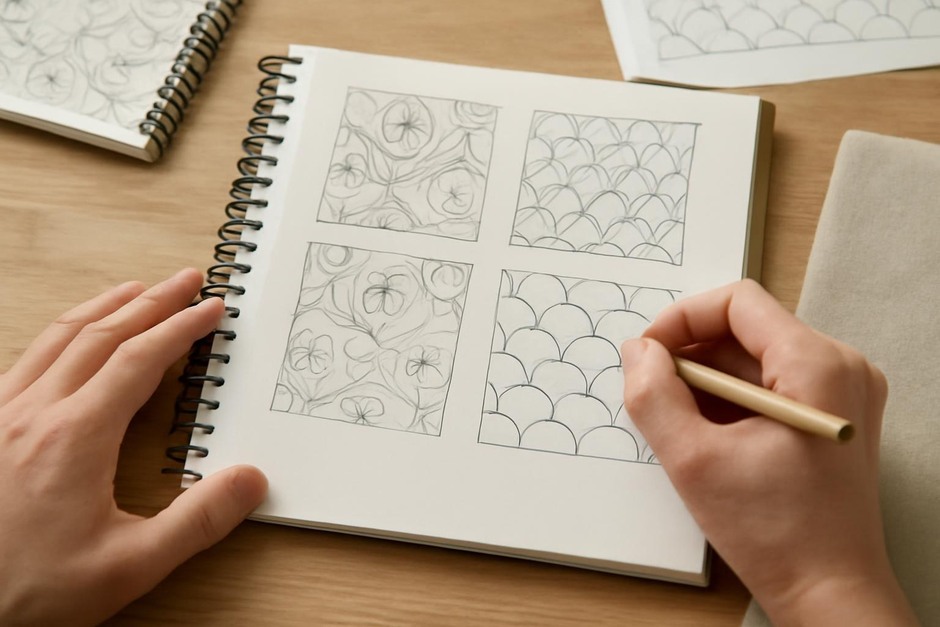
- Create a cross section note: list support, ground, paint, and observed handling qualities.
Checklist for a material study
- Select one support and prepare two different grounds
- Use one colour mixture to paint a repeated motif
- Observe drying time and surface reflectivity
- Note adhesion issues or cracking tendencies
- Record a short conclusion and a follow up experiment
Reflection prompts
- Which ground led to the most desirable handling for the motif?
- How did the support texture influence brush mark legibility?
- What small change in preparation might improve the result next time?
Reading materials is an attentive skill. Small, controlled tests reveal how choices at the support and ground stage shape the final surface. Over time, paired observation and experiment reduce guesswork and make material choices deliberate rather than accidental.